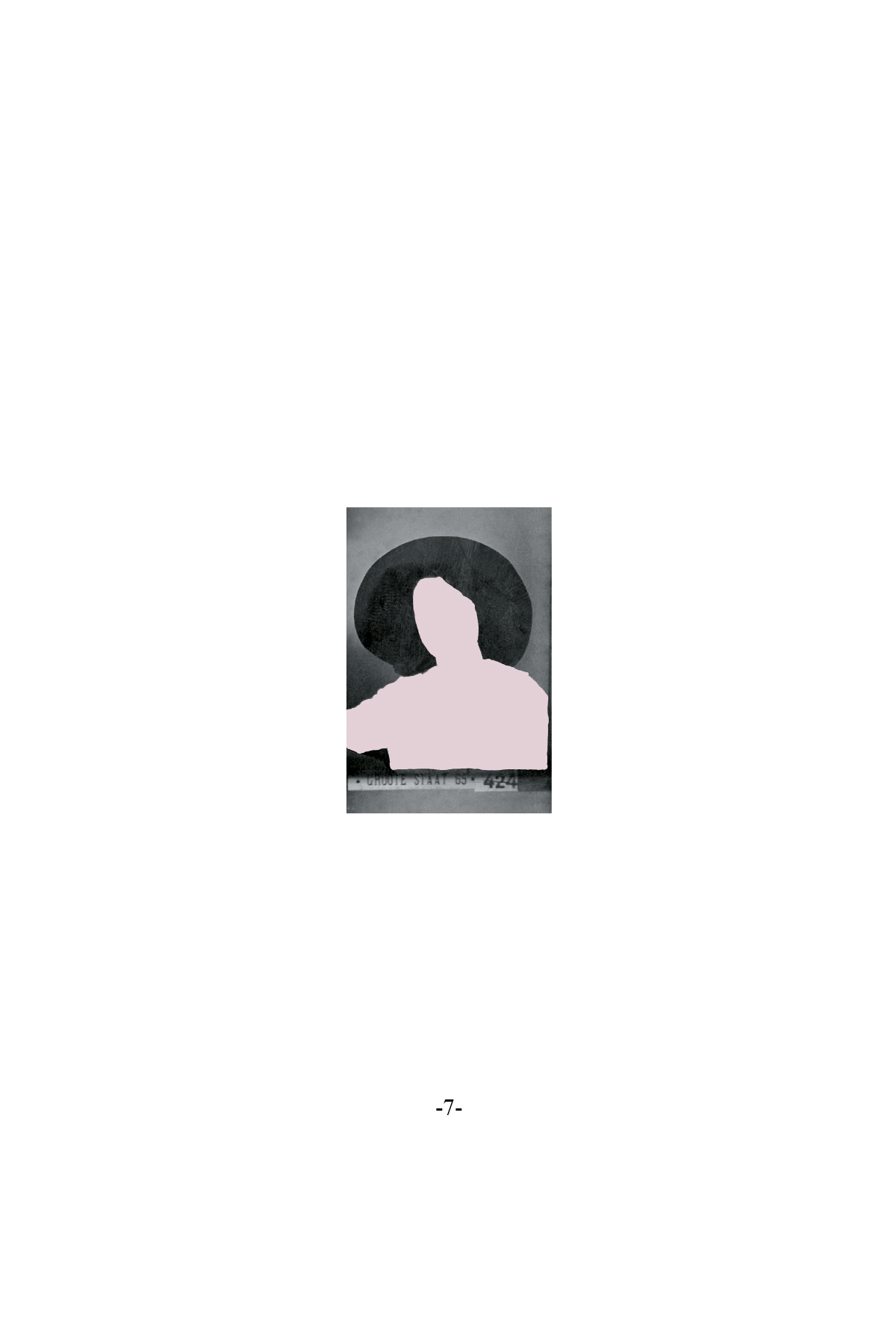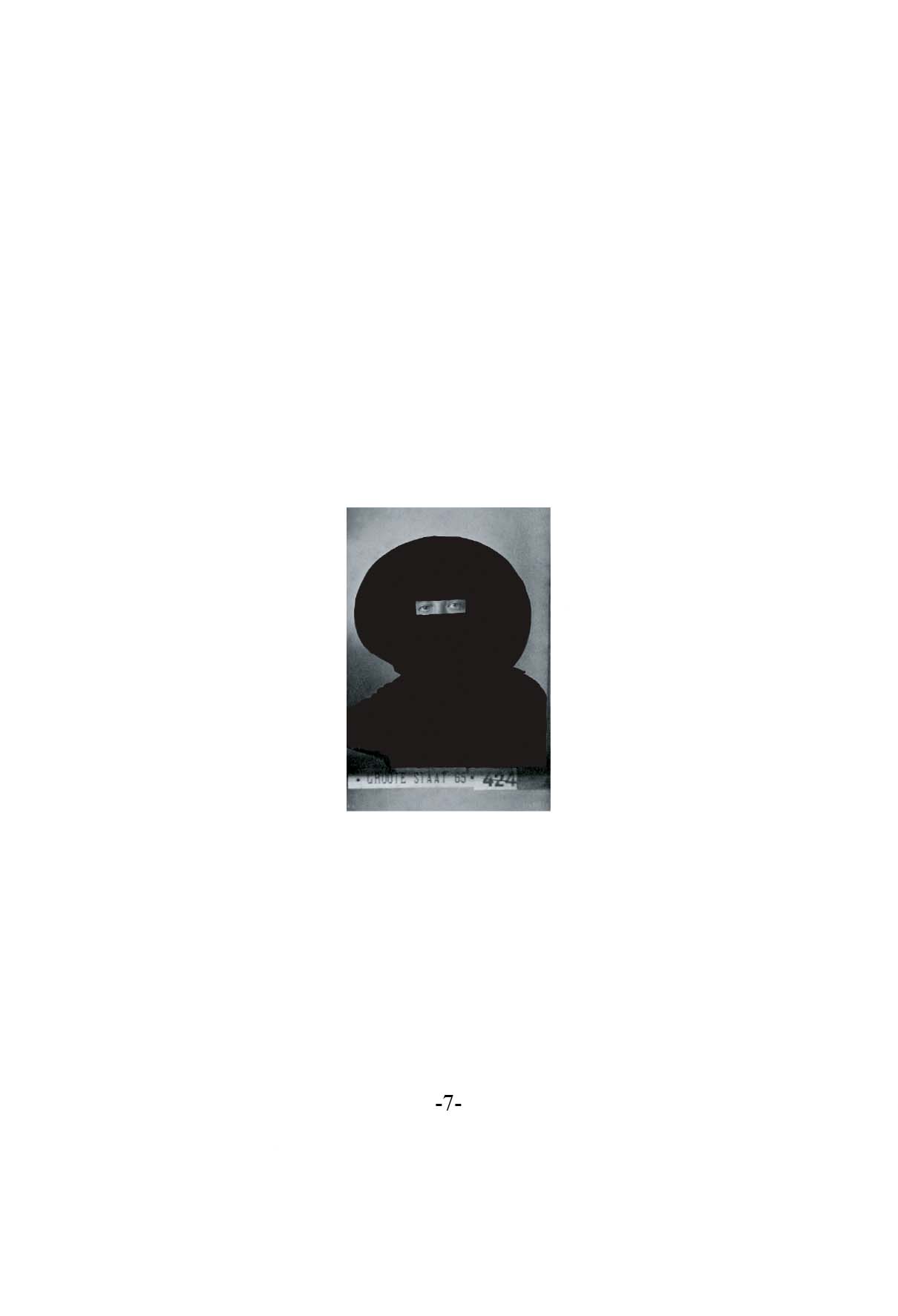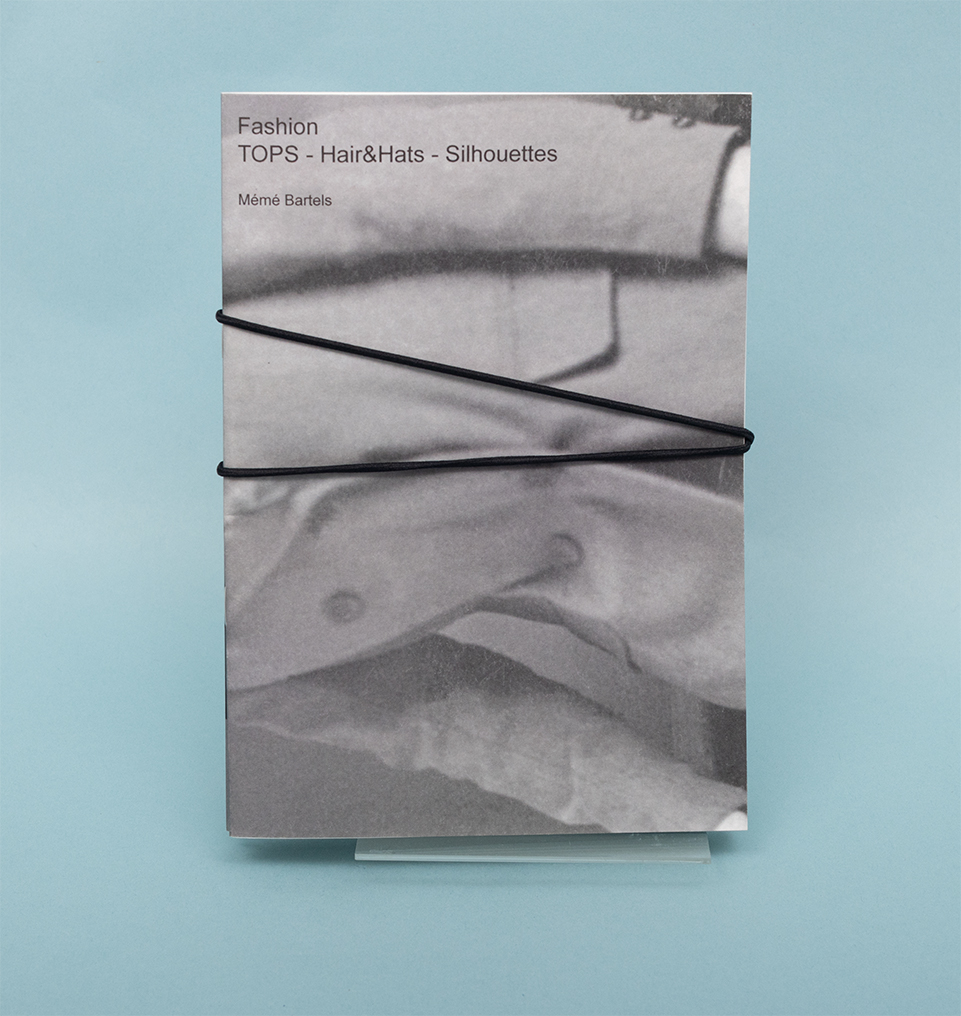
Three zines in the series 'Zines for the time being'
Size: 21 x 14,8 cm
Publication date: November 2026
Price per zine: €15
Package price €40
s
On the democratisation of the portrait, fashion and death.
What is a portrait? An image of a person, or a glimpse into the character of the person portrayed?
Photographer Inge Morath was convinced of the latter. “A successful portrait catches a moment of stillness within the daily flow of things, when the inside of a person has a chance to come through.”
In 1912, a new form of photographic portraiture emerged: automatic photography. Suddenly, everyone could have their portrait taken at a reasonable price. In the Netherlands, you could get twelve portraits for just 25 cents. It became a craze that lasted until 1925.
My uncle Frans recently gave me a small album of these portraits. Twenty-nine women, seventeen men and thirteen children stared at me through the little windows in its pages. Anonymous people who could suddenly afford a portrait and, perhaps for the first time, see themselves in a photograph.
There is no laughter in these images. Everyone looks deadly serious. Many of the photographs show a bar with a number and the address of the studio where the portrait was taken. The number corresponded to the receipt used to collect the photographs a day later.
Photographically, these portraits are not particularly interesting. I find no trace of the inner lives of the people portrayed. The images are merely visual descriptions of people and their social circumstances. What interests me most about this procession of strangers is their clothing and hairstyles: the fashion of the working class and lower middle class of those years.
I rearranged the portraits from the album and brought them together in three zines, each focusing on a different aspect of fashion: Tops, Hair and Hats, and Silhouette.
What must it have been like to hold a portrait of yourself in your hands for the very first time? I find it hard to imagine. The people in my album experienced just that. Until then, photographic portraits had largely been reserved for the upper classes. But from 1912 onwards, almost anyone could afford to have their portrait taken. The photographs were about the size of a passport photo and were produced by a semi-automatic photographic process. While passport photos today are often a disappointment (do I really look that terrible?), back then, they must have been something of a revelation.
Unlike today’s passport photos, which have to meet strict requirements, the people portrayed could decide for themselves how they wanted to appear. Of the twenty-nine women in my album, fourteen wear a hat, often a large one. At the time, a respectable woman wore a hat in public. Going without one was considered indecent.
More than fifty years later, when hats had largely disappeared from the streets, women were still required to wear one in the church our family attended on Sundays. My parents were baptised Catholics and felt obliged to go to church every Sunday. Social pressure was considerable. One Sunday, my mother went to church without a hat. When she approached the priest to receive communion, he slapped her in the face. That was the final straw for my mother. From then on, she decided to go to church without a hat and to skip communion. Not long afterwards, our compulsory Sunday church visits came to an end as well.
In Camera Lucida, Roland Barthes writes about photography as evidence of existence. What a photograph tells us, with overwhelming certainty, is that “the thing has been there.”
When I leafed through the album for the first time, I felt the presence of death that Roland Barthes describes.
When my father died, I chose not to say goodbye to him as he lay in state. He was dead, and I wanted to remember him alive. For months, I kept the photograph from his funeral card face down in a pile. I couldn’t bear to look at it. Not because it made me sad, I already was, but because that frozen image of his life gave me nothing. I didn’t want it to interfere with my memory of him.
But as time passed, my memories began to fade. Eventually, I turned the card over again.
And, unintentionally, that photograph became the image that came to occupy a prominent place in my memory of him.